TTI.5 Forum 2026 – Grand Séminaire
of the Diplomatic and
Consular Academy
of the Ministry for Europe
and Foreign Affairs
April 10, 2026
Mines Paris – PSL
60 Bd St-Michel, 75006 Paris
Environment, science, and technology in foreign policy-making: what should
scientific diplomacy be?
Friday, April 10, 2026 9am – 6pm (UTC+1)
École des Mines de Paris, 60 Boulevard Saint-Michel – Paris (Henri Poincaré Amphitheater)
The event will be held in French and English,
translation headsets will be available.
Our TTI.5 2026 Forum is organized as part of the Grand Séminaire held in collaboration with the Diplomatic and Consular Academy of the Ministry for Europe and Foreign Affairs.
In order to understand and implement scientific diplomacy that seeks to defend and promote national and European interests, while also protecting and regulating common goods through cooperation between states, what knowledge and practices do diplomats need?
What dialogue should be established between diplomats and scientists?
For doctoral students: the day is listed on ADUM. We will provide certificates of attendance upon request to validate doctoral training hours.
Speakers
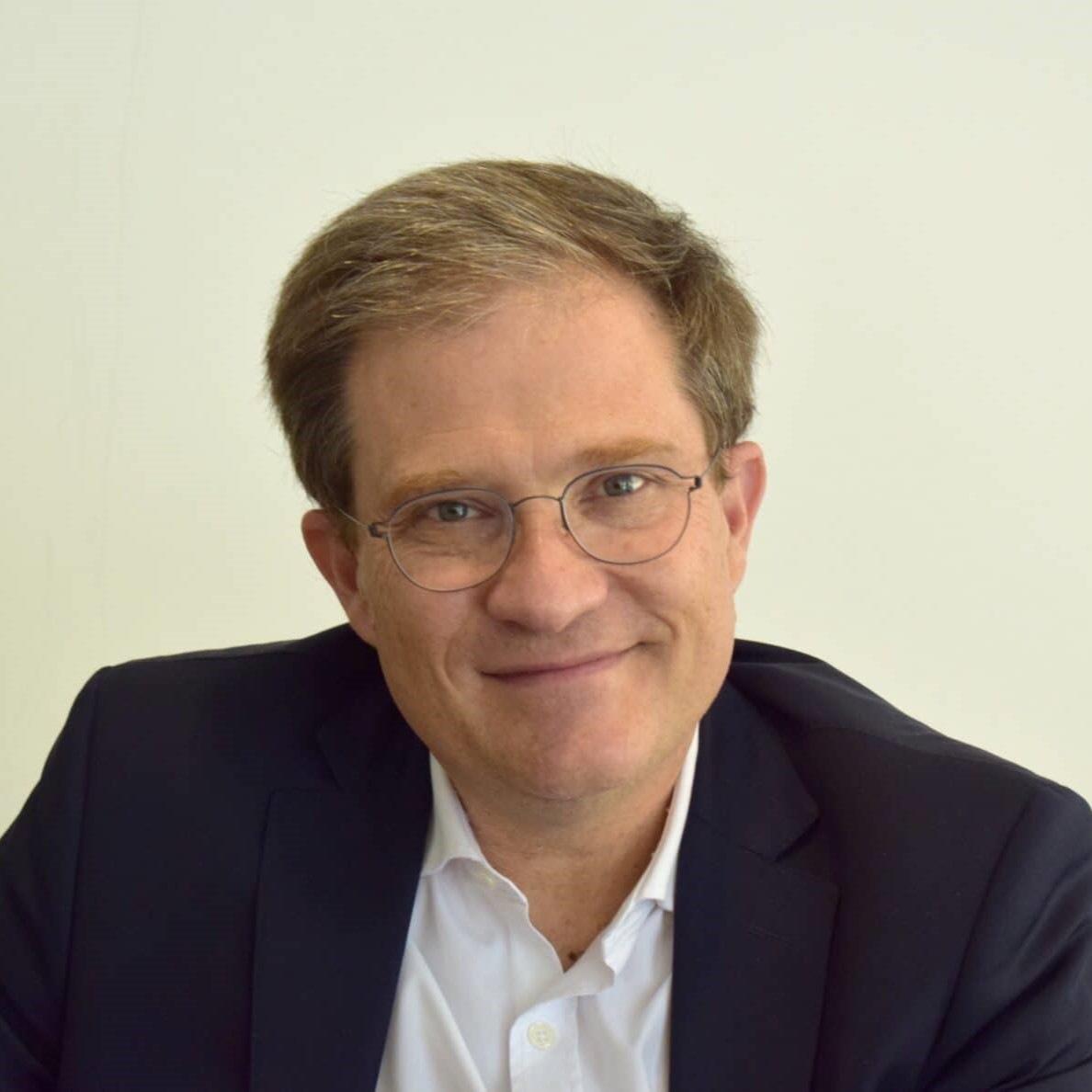
Mr Godefroy Beauvallet
CEO of Mines Paris-PSL
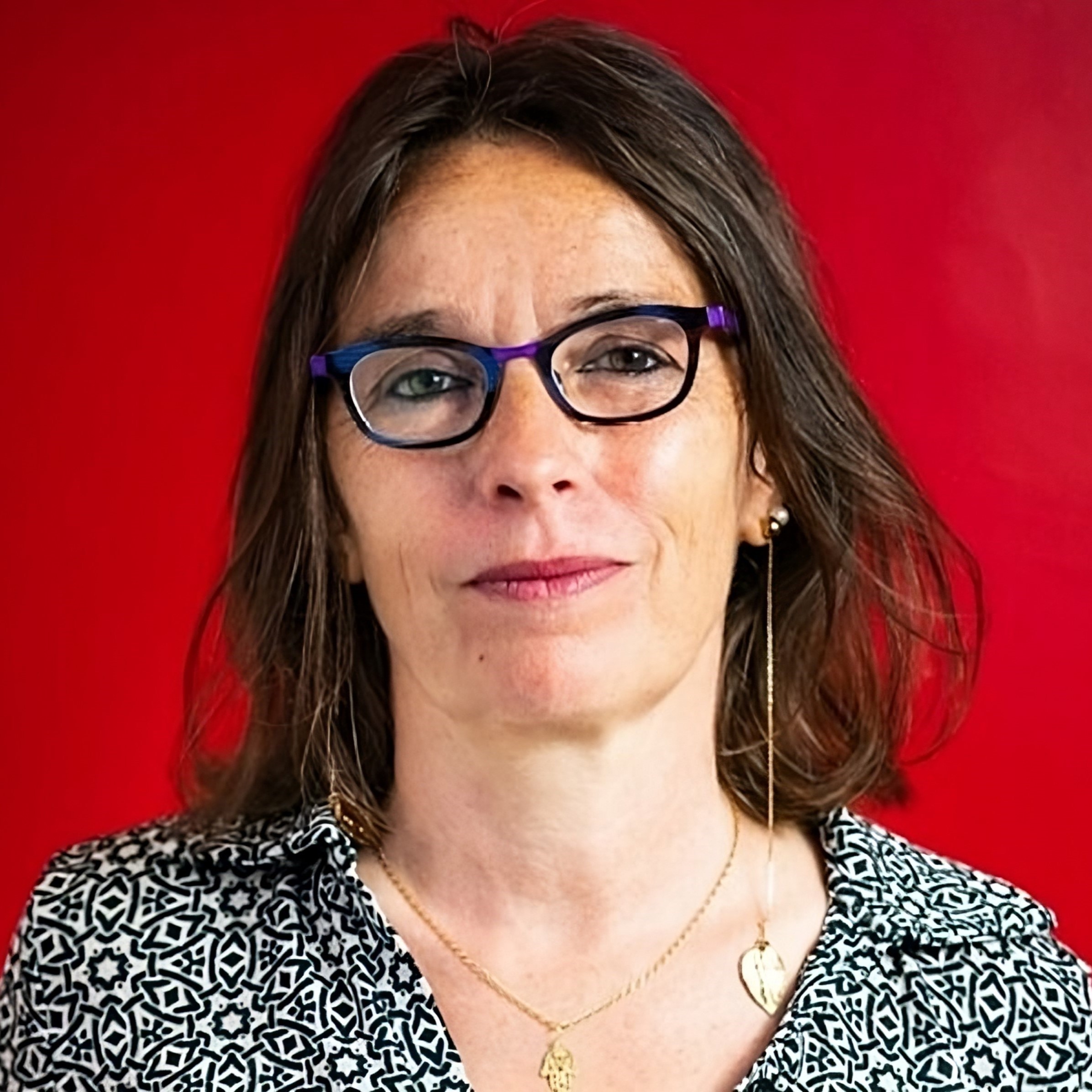
Pr. Nadia Maïzi
Director of TTI.5, Professor at Mines Paris-PSL and Lead Author of the 6th IPCC Report
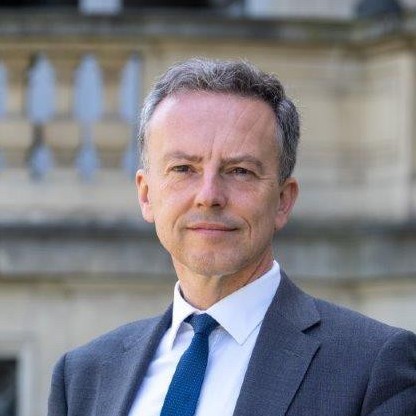
Mr Martin Briens
Chief Administrative Officer, Ministry for Europe and Foreign Affairs
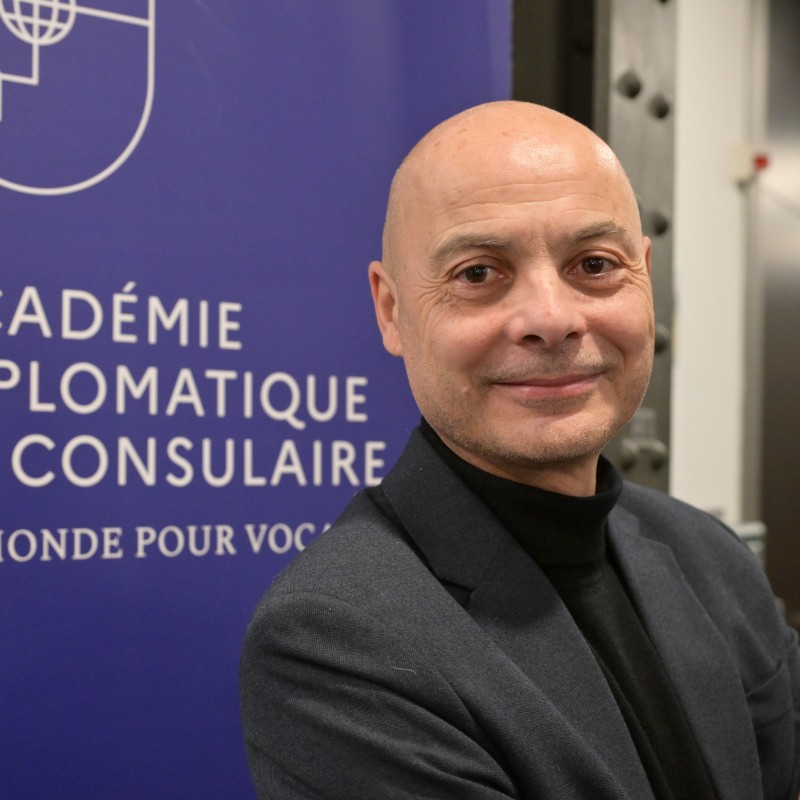
Mr Didier Le Bret
Director of the Diplomatic and Consular Academy
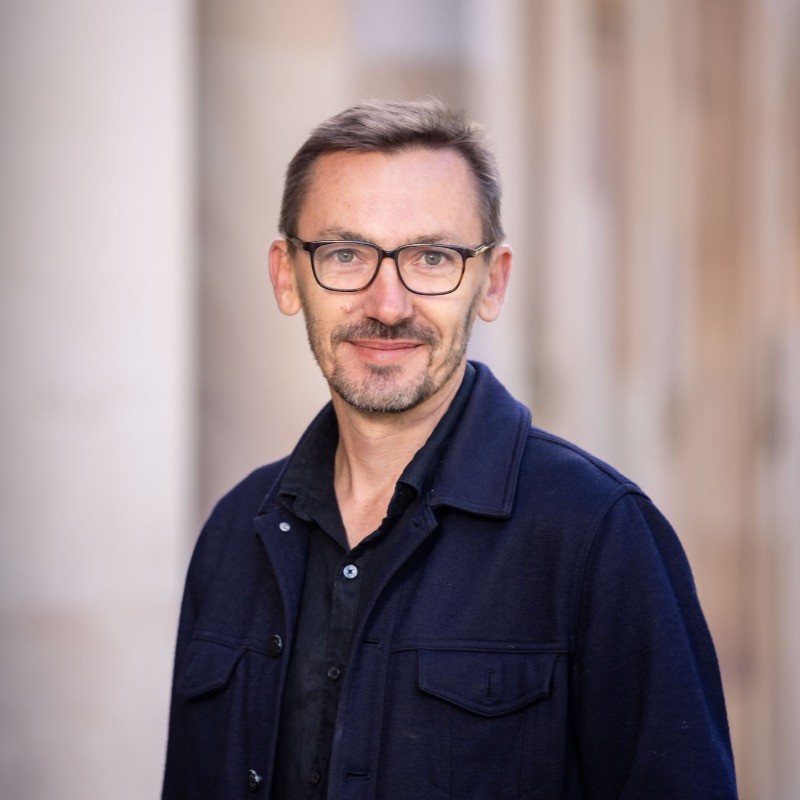
Pr. Daniel Franks
Director of the Global Centre for Mineral Security
(Sustainable Minerals Institute), Queensland University, Australia
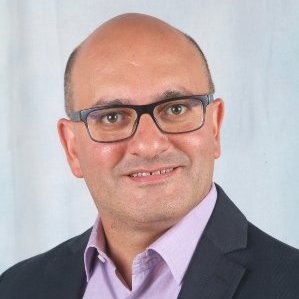
Pr. Fadi-Henri Nader
Director of the Geosciences Centre, Mines Paris-PSL
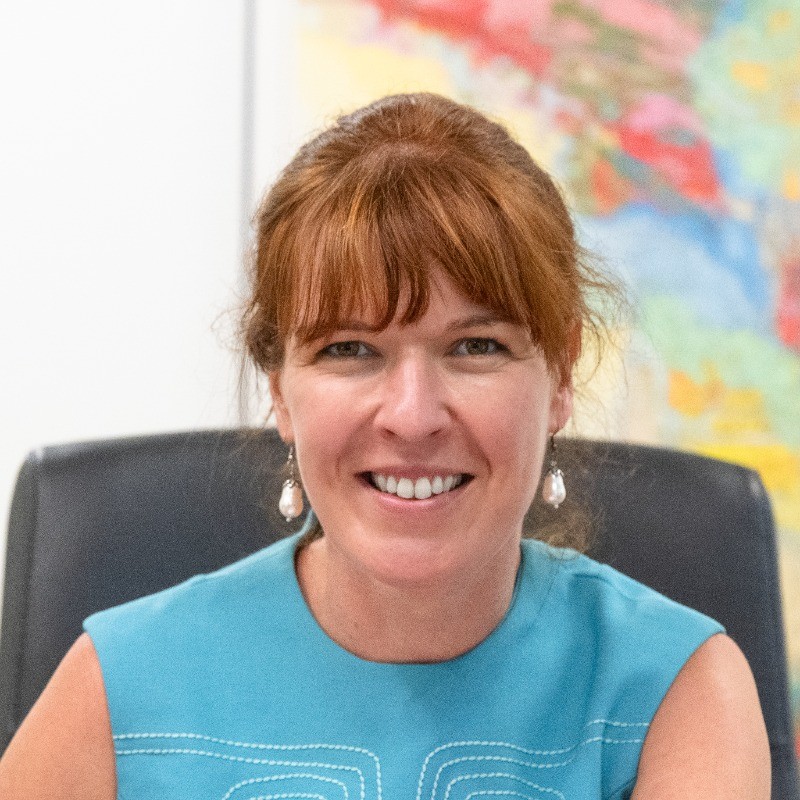
Ms Catherine Lagneau
CEO of BRGM
(French geological survey)

Dr Pauline Bucciarelli
TTI.5 postdoctoral researcher
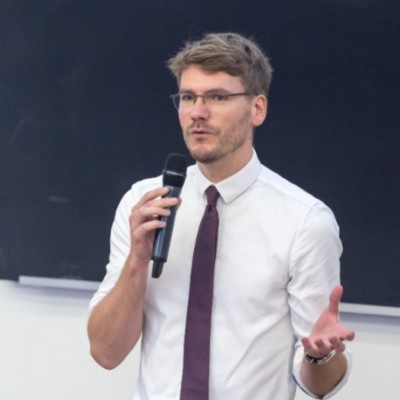
Mr Maël Le Bail
Head of the Energy Division, Strategic Sectors Sub-division, Economic Diplomacy Director
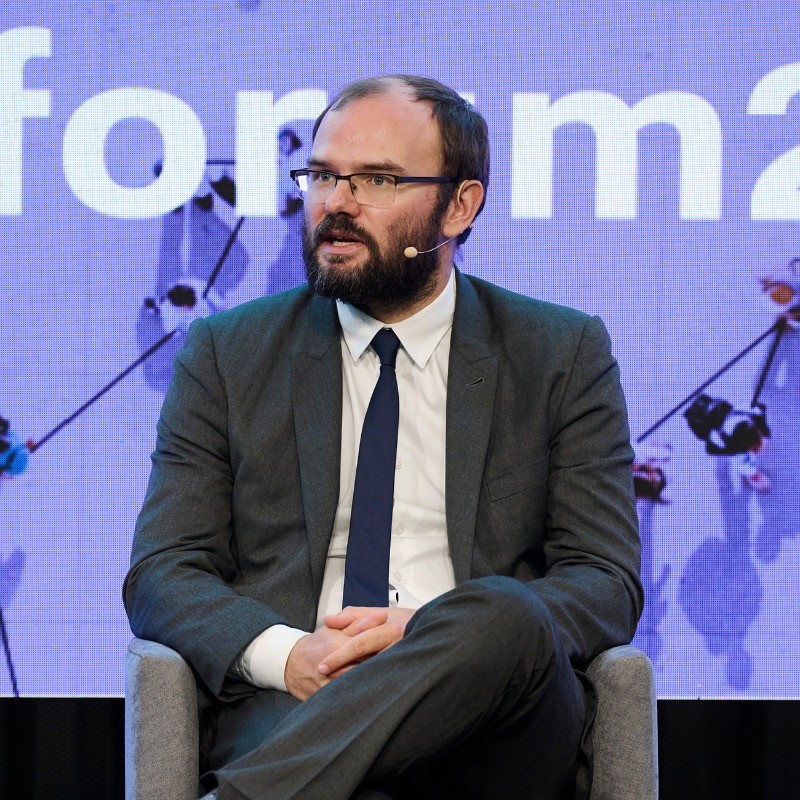
Mr Louis Maréchal
Senior Adviser, Minerals and Mining, OECD

Dr Claude Tadonki
Research Director at the Computer Science Research Centre (CRI), Mines Paris-PSL

Pr. Chloé-Agathe Azencott
Machine Learning expert, Mines Paris-PSL
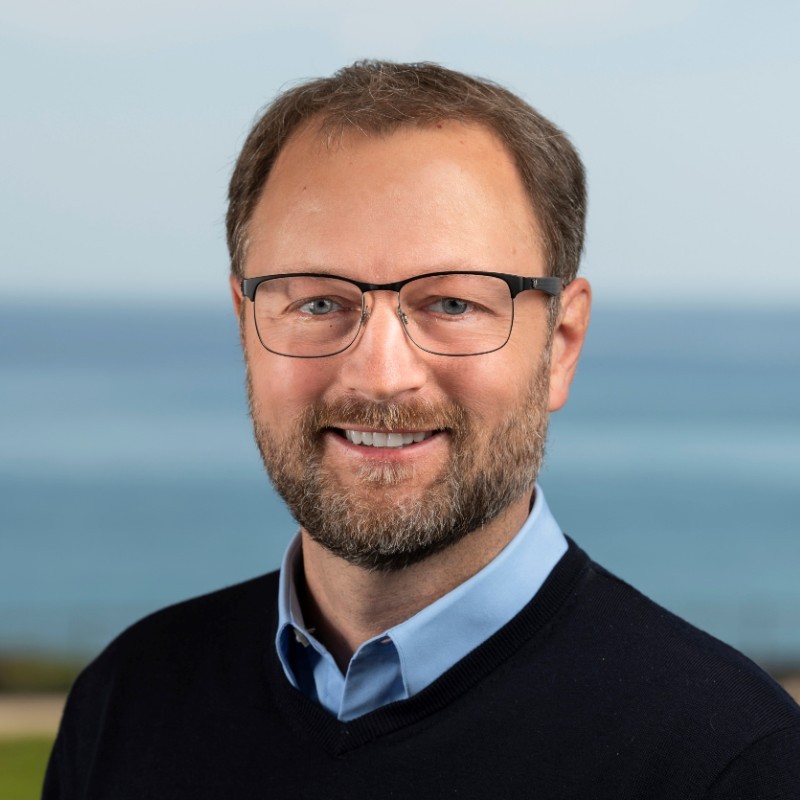
Pr. Éric Masanet
Head of Industrial Sustainability Analysis Laboratory, Santa Barbara University, California
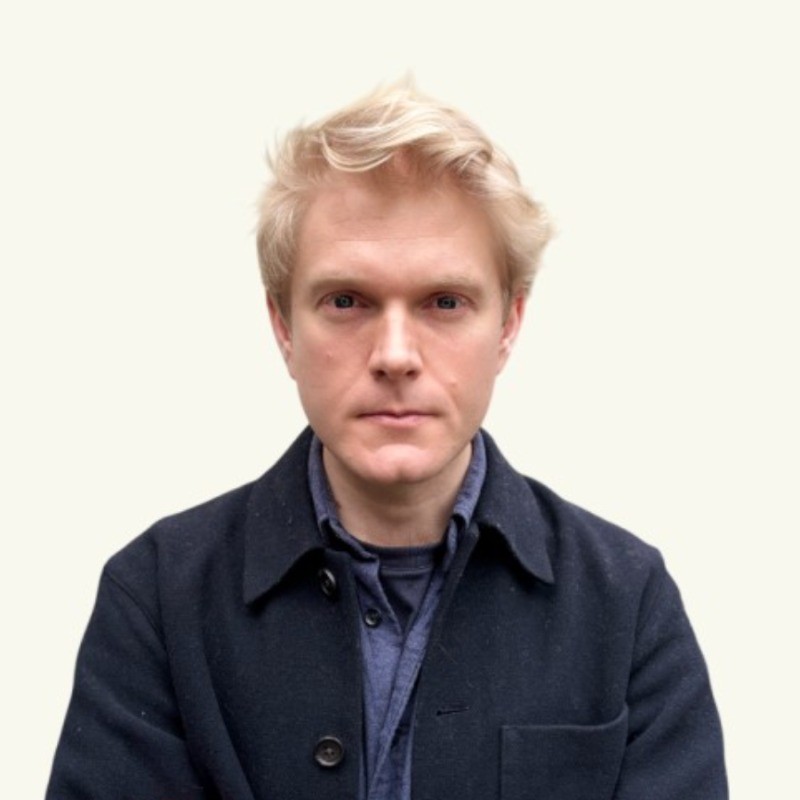
Mr Aymeric Preveral-Etcheverry
CEO of Lithosquare
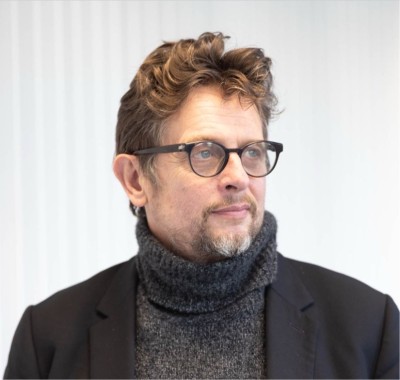
Mr Henri Verdier
CEO of the Inria Foundation
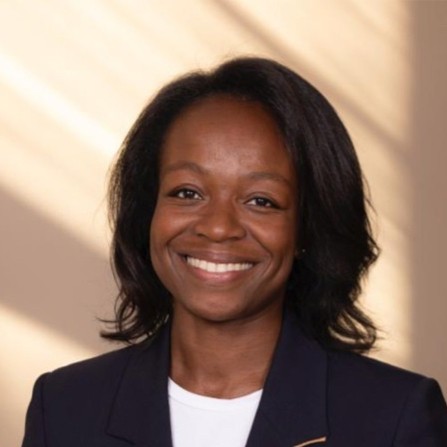
Ms. Gépy Koudadje
Solicitor, Member of the Bar Council and Founder of Lex Natura

Pr. Aarti Gupta
Global environmental governance specialist,
Wageningen University, Netherlands
Dr Damien Huygue
Head of the Geology team, Geosciences Mines Paris-PSL

Dr Sofia Kabbej
Security issues associated with climate change specialist, IRIS
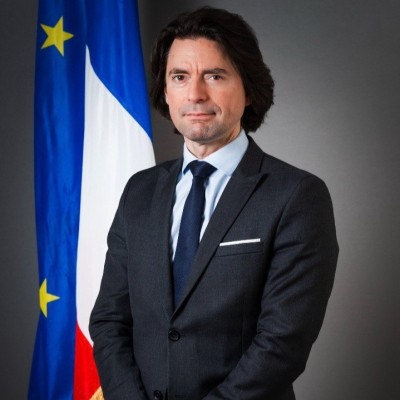
Mr Guillaume Ollagnier
General Manager of International Relations and Strategy, Ministry of the Armed Forces and Veterans Affairs
Programme – April 10, 2026 – 9am-6pm
8.30 am: Welcome coffee (Espace Carreau)
9am : INTRODUCTION
Mr. Godefroy Beauvallet, CEO of Mines Paris-PSL
Mr. Martin Briens, Chief Administrative Officer, Ministry for Europe and Foreign Affairs
Pr. Nadia Maïzi, Director of TTI.5, Professor at Mines Paris-PSL
and Lead Author of the 6th IPCC Report
9.45am : KEYNOTE
“‘All Minerals Lead to Rome’: Must They?”
Pr. Daniel Franks, Director of the Global Centre for Mineral Security (Sustainable Minerals Institute), The University of Queensland, Australia
Minerals have long flowed toward centres of power. Today they are at the top of foreign policy agendas as countries race to secure critical raw materials. The mining industry has called on governments to go further, to treat critical minerals as ‘public goods’ and take responsibility for accelerating mineral extraction and processing. This lecture traces the geopolitical history of mineral development and asks what would it really take for minerals to be governed as global public goods for the benefit of all? Is a future where all people have sufficient and affordable access to the minerals and mineral goods necessary for shelter, communication, mobility, energy and sustenance realistic? And if so, how could science diplomacy help achieve it?
10.45 am: Break (Espace Carreau)
11am : ROUND TABLE 1
“Mineral governance: the intertwining
of environmental and sovereignty issues”
Moderator: Pr. Fadi-Henri Nader, Director of the Geosciences Center, Mines Paris-PSL
Dr Pauline Bucciarelli, TTI.5 postdoctoral researcher, Mines Paris-PSL
Pr. Daniel Franks, Director of the Global Centre for Mineral Security (Sustainable Minerals Institute), The University of Queensland, Australia
Mrs. Catherine Lagneau, CEO of BRGM
Mr. Maël Le Bail, Head of the Energy Division, Strategic Sectors
Sub-division, Economic Diplomacy Director
Mr. Louis Maréchal, Senior Adviser, Minerals and Mining, OECD
1.30pm : ROUND TABLE 2
“Deployment of AI: challenges, climate impacts
and energy trade-offs”
Moderator: Dr Claude Tadonki, Research Director at the Computer Science Research Center, Mines Paris-PSL
Pr. Chloé-Agathe Azencott, machine learning expert, Mines Paris-PSL
Pr. Éric Masanet, Head of Industrial Sustainability Analysis Lab, Santa Barbara University, California
Mr. Aymeric Preveral-Etcheverry, Founder and CEO of Lithosquare
Mr. Henri Verdier, CEO of the Inria Foundation
12.30 pm: Lunch reception (Espace Maurice Allais)
3.15pm : ROUND TABLE 3
“From subsoil to space: regulations and climate issues?”
Moderator: Ms Gépy Koudadje, Solicitor, Member of the Bar Council and Founder of Lex Natura
Pr. Aarti Gupta, global environmental governance specialist,
Wageningen University, Netherlands
Dr Damien Huygue, Head of the Geology team, Geosciences, Mines Paris-PSL
Dr Sofia Kabbej, security issues associated with climate change specialist, IRIS
Mr. Guillaume Ollagnier, General Manager of International Relations and Strategy, Ministry of the Armed Forces and Veterans Affairs
4.45pm : CONCLUSION
Mr. Didier Le Bret, Director of the Diplomatic and Consular Academy
Pr. Nadia Maïzi, Director of TTI.5, Professor at Mines Paris-PSL
and Lead Author of the 6th IPCC Report
5pm : TTI.5 Environmental Controversy Award
Civil Engineering Students, Mines Paris-PSL
Topics (defended in French):
– Zero net land take: a realistic and appropriate goal? (link)
– How should greenhouse gas emissions from livestock farming be accounted for? (link)
– The Winter Olympics in France: aberration or opportunity for transition? (link)
6pm : Closing reception (Espace Carreau)
– Scientific programming : Nadia Maïzi –
About the event
The technological mutations currently underway (AI, intelligent systems, nanotechnologies, biotechnologies, etc.) are reigniting international competition between countries, whether it be to catch up, maintain or acquire a position, or even prevent rivals from doing so, in order to limit the decisive geopolitical gains they provide.
This competition is taking place against a backdrop of redefinition of existing interdependencies and value chains, and challenges the trade rules that have been accepted and encouraged for more than half a century. These technological advances are disrupting the balance of power and the mechanisms of regulation and cooperation at the international level, especially since they are mostly driven and financed by private investment.
In this context, science and technology are no longer seen as public goods to which every nation can and must contribute for the benefit of all, but as a key asset in international competition, which can be appropriated and therefore must be protected. Information technology, biotechnology, and green technology, the new levers of power, are also, like AI, true “force multipliers.”
It is in this spirit that the Draghi report, published in September 2024, urges Europe to step up investment in training, research, and innovation, particularly in digital technologies, with a view to closing the gap with the United States and China, but also to reducing its dependence on critical materials.
In many respects, science and technology are now more than ever at the heart of defining the major foreign policy priorities of world powers, whose approaches vary depending on whether they emphasize the preservation of global public goods or the strict defense of national interests.
Leadership in each of these areas is now widely regarded as a national security imperative.
Hence, for Europe, the question arises of a possible third way, in which diplomacy would attempt to reconcile conflicting imperatives:
- How to mobilize all available scientific and technological resources, both national and European, while preserving essential international cooperation?
- How can public and private actors be brought together by imposing essential rules of conduct and regulation on a global scale?
- How can brain drain be limited while maintaining the circulation of knowledge and encouraging the emergence of centers of scientific excellence in the South?